Beyond algorithms: Connecting with the human behind every search
October 29, 2025 — Reilly Stephens and Samantha Kamiel
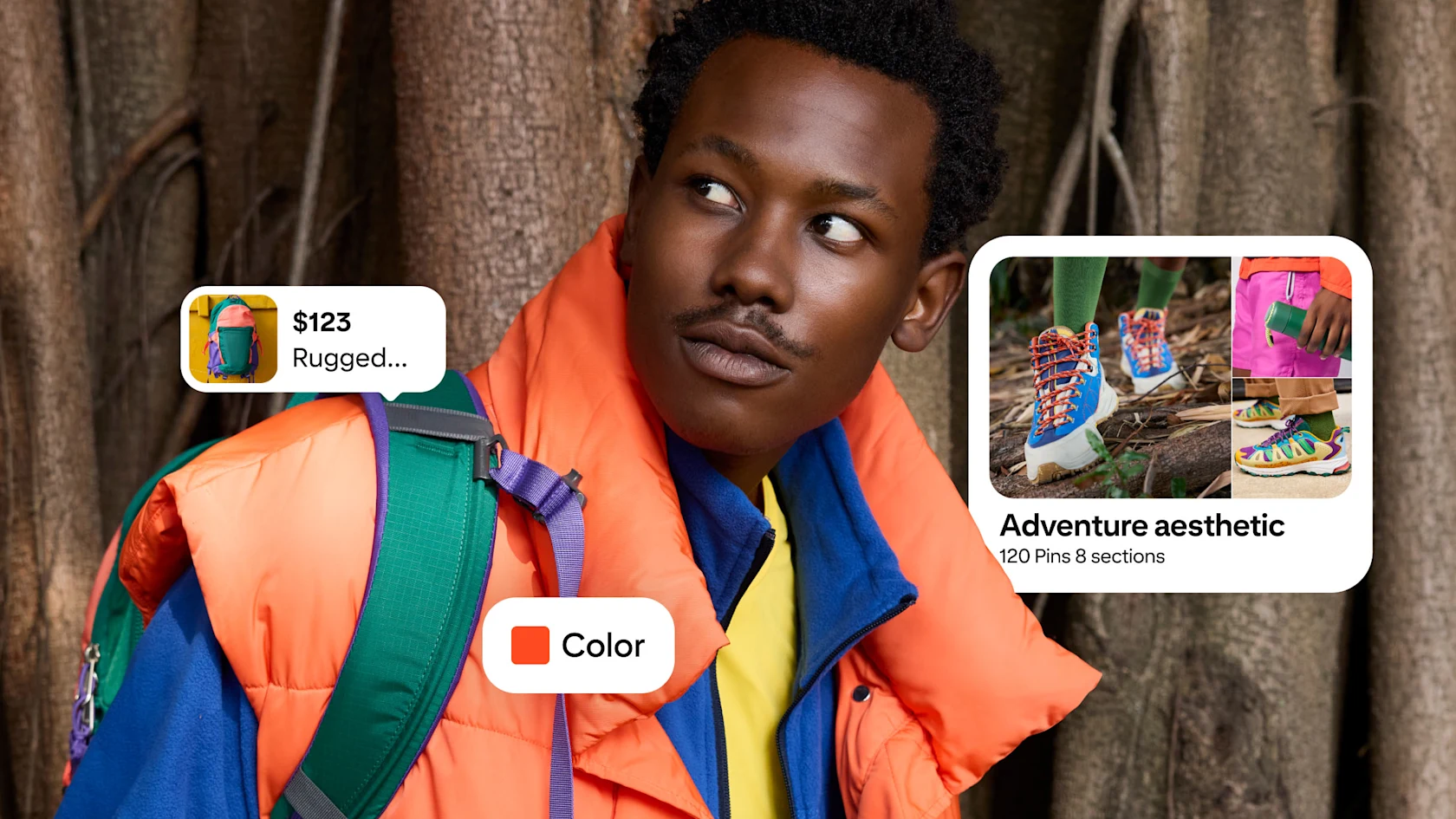
These days marketers can target by postal code, breakfast preference, and whether someone's cat is an indoor or outdoor cat. But cutting through the noise has never felt tougher. The problem isn’t reach. It’s relevance. We've become so obsessed with the technology of reaching people that we've forgotten about the people themselves.
While competitors chase the latest trend or try to game the algorithm, the brands winning on Pinterest are doing something radically different. They're starting with a simple question: What does the human behind this screen actually want their life to look like?
Pinterest isn't about scrolling—it's about planning
When people are browsing on social media, they’re often killing time or looking for a quick distraction. But when someone opens Pinterest, they're on a mission.
Here, people don’t scroll aimlessly —they're actively building the life they want. They're saving ideas for their dream vacation, collecting recipes for next weekend's dinner party, and saving inspiration for their kitchen reno.
Pinterest's search data doesn't just track behaviour. It tracks intention. Instead of interrupting someone's mindless scroll, you're joining their planning process. You're not fighting for attention, but rather offering solutions to problems they're actively trying to solve.
And when you make them feel something, you can capture even more of their attention. Pinterest proved this with hard data: content that triggers positive emotions held attention 50% longer than neutral content.1
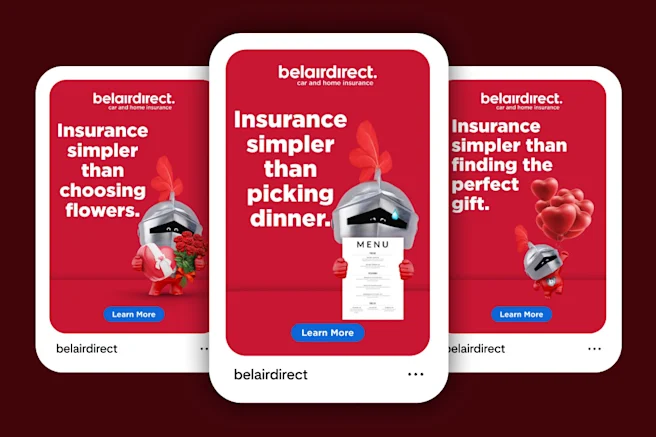
How belairdirect disrupted Valentine's Day (and made everyone pay attention)
Scaling doesn't just mean showing up everywhere—it means showing up in the right moments with the right message.
While every other brand was selling romance, belairdirect sold peace of mind. Their insight was counterintuitive: the best Valentine's gift isn't flowers or chocolate—it's knowing you're covered when things go wrong.
belairdirect knew Gen Z was on Pinterest planning date nights—over 60% of date night searches come from people ages 18-34.2 So they worked with Pinterest Brand Studio to transform existing campaign assets into a three-day Total Moments Takeover for Valentine's Day.
Video completion rates hit 4x higher than the Canadian financial services average. The Editorial Spot drove 375% more article opens. And those exposed to the campaign saw a 45% decrease in cost per quote—because belairdirect reached people when they were already in planning mode, not just scrolling mode.3
Action plan checklist to drive real results
What separates successful brands on Pinterest from everyone else? They stop trying to interrupt people and start trying to help them. Rather than asking "How do we get attention?", they ask "How do we earn it?"
Here's some tips for how to do it:
Focus on human insight: Pinterest search data shows you what people are planning and dreaming about. Use Pinterest Trends to explore how people are searching in real time—so you can show up with the right solutions at the right moment.
Spark emotion: Show the life your product enables. Don't showcase kitchen tools—show the dinner party where friends gather around a homemade meal.
Show up where they're already looking: Don't interrupt their Pinterest session—become part of it. If someone's searching "small apartment ideas," your space-saving furniture can be the answer.
Turn browsers into doers: Pinterest's top content has one thing in common: it helps people take action on their ideas. Instead of encouraging people to "Buy our paint," try "How to transform your rental bathroom in a weekend" with your paint products featured throughout.
Show up unexpectedly: Some of the best brand moments happen when you crash a conversation nobody expected you to join. Like belairdirect bringing insurance to Valentine's Day planning, find the moments where your solution makes unexpected sense.
The most successful brands on Pinterest know something the rest are missing: behind every search is someone building the life they want. Help them get there, and your brand wins too.

